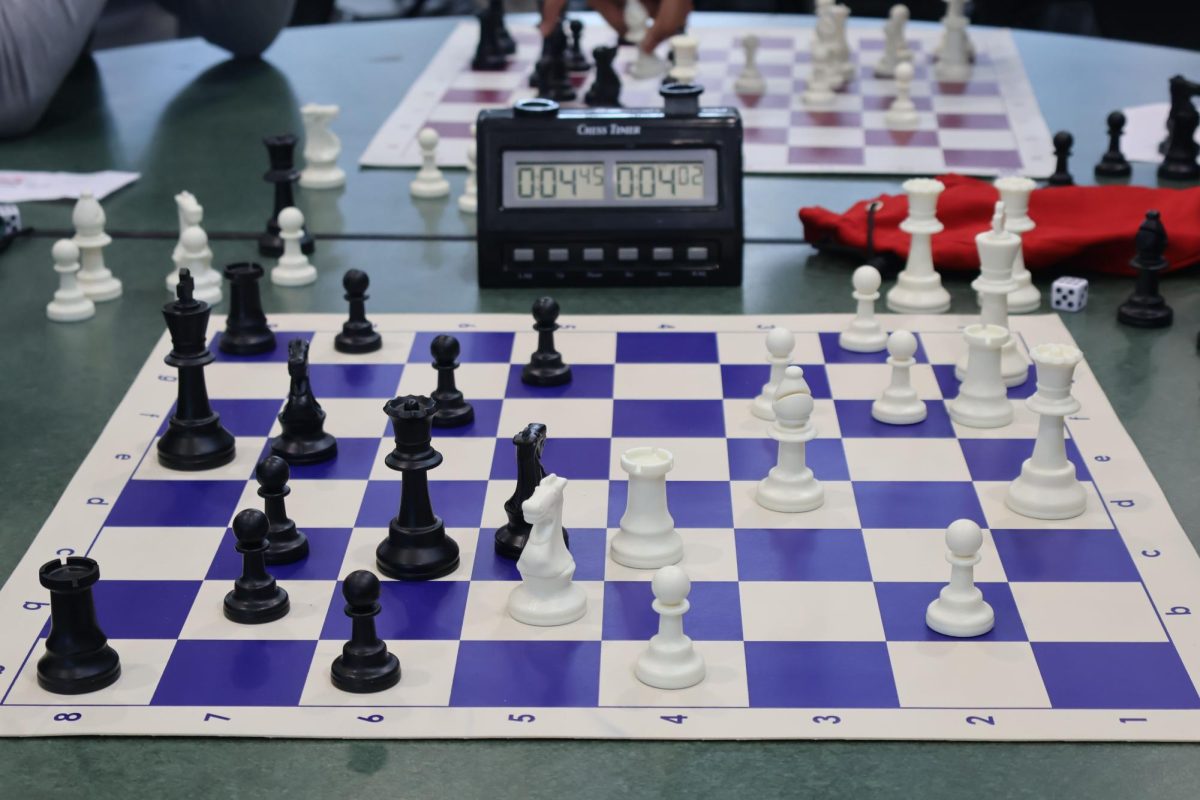
Games like chess and other brain-training activities do much more than entertain; they strengthen the mind in ways that can improve thinking skills, academic performance and even intelligence.
Chess is often considered one of the most powerful brain games because it requires players to think ahead and consider situations. For example a person playing chess needs to consider things like what their next move will lead to later in the game. Or even their opponent’s next move and how to counter it.
This constant mental challenge strengthens skills such as planning, memory and logical reasoning. The University Of San Diego shows, that when students regularly practice these skills in a game setting, they begin to apply the same type of thinking in school subjects like math, science and reading comprehension.
One of the most important benefits of brain games is improved concentration. In chess, a single mistake can change the outcome of the entire game. Because of this, players learn to focus carefully on the board for long periods of time. This ability to concentrate connects to classroom tasks, helping students pay closer attention during lessons and completing homework.
Memory is another skill that is improved through brain games. Chess players often memorize patterns, common strategies and positions on the board. Other games such as Sudoku, logic puzzles and strategy-based video games, also require players to remember patterns and solutions. The University of North Carolina researched and proved that making your memory stronger can help students remember information during tests and understand complicated topics easily.
Brain games also teach problem-solving. In chess, players face different challenges every time they play. They have to think about the situation, consider different options, and choose the best move. This process is the same as how people solve real-world problems. The National Institutes Of Health explains that students who practice these skills through games become more comfortable doing difficult assignments and thinking through complicated questions or scenarios.
Another important benefit is better patience and decision-making skills. Fast or careless moves in chess lead to losing the game. Players quickly learn that taking time to think carefully leads to better results. This habit can help students slow down during tests, check their work and make thoughtful decisions in their school work.
The National Institutes Of Health also shows the idea that regularly participating in challenging brain games might support improvements in cognitive abilities measured by IQ tests. While games alone do not increase your intelligence, they exercise the brain much like physical workouts strengthen your muscles. Over time, regular brain games help the brain build stronger connections, making it easier to learn new information and think more strategically.
Maybe the most valuable outcome of playing brain games is developing a love for thinking. When students see learning as a challenge rather than a chore, they become more motivated to explore new ideas and solve difficult problems. Games like chess turn thinking into something enjoyable, encouraging and teach perseverance.